Electrical COC in Midrand: What Homeowners, Landlords and Sellers Need to Know
An electrical certificate of compliance (COC) sits at the centre of safe property ownership in South Africa. If you own a home, rent one out or plan to sell in Midrand, you will deal with one at some point.
This guide explains what an electrical COC is, when you may need COC-related electrical work, and the faults that often hold compliance up. It also shows how electrical services in Midrand from Malles Electrical & Air-Conditioning can help with repairs that may be needed before compliance can move ahead.
What is an electrical COC?
An electrical COC is a legal document that confirms a property’s fixed electrical installation meets national safety standards. It covers the wiring, the distribution board, plugs, switches, light fittings, geyser connections and earth leakage protection.
In South Africa, only a registered person may inspect an installation and issue a valid certificate. The certificate confirms that the installation complies with SANS 10142-1, the national wiring code, and shows no obvious safety risk at the time of inspection.
A COC stays valid for two years, provided the installation is not changed. New electrical work, such as adding circuits or replacing a board, can make an existing certificate fall away. With more homes adding solar and inverter systems, keeping the rest of the installation in good order matters more than ever.
The certificate comes with a test report that records the results of the inspection. A new owner, a tenant or your municipality may ask to see both, so it is worth keeping a copy in a safe place.
Please note: Malles Electrical & Air-Conditioning does not issue COC certificates. The team focuses on electrical work linked to COC requirements, such as repairs that may be needed before compliance can move ahead.
Why electrical compliance matters
Electrical compliance protects people and property. Faulty wiring and ageing boards are common causes of electric shock and house fires.
The rules come from the Occupational Health and Safety Act and the Electrical Installation Regulations. These set out who may carry out electrical work and how installations must be certified.
A compliant installation also gives buyers, tenants and insurers confidence. If a claim follows an electrical fire, an insurer may ask for proof that the installation was safe. Keeping your electrics in good order is a practical way to protect your investment.
Non-compliance can be costly. A sale can stall, an insurance claim can be questioned, and unsafe work may have to be redone. Dealing with faults in good time avoids all three.
When you may need COC-related electrical work
Compliance is not only a selling task. Several everyday situations call for electrical attention well before a certificate is needed.
When homeowners may need COC-related work
Your installation changes over the years. Adding plug points, replacing a DB board or fitting a backup power system all affect how your home is wired. A check and any related repairs help keep the installation safe and ready for future compliance.
Small warning signs matter too. If your power keeps tripping or your plugs feel warm to the touch, treat it as a fault rather than a nuisance. Catching these early keeps repairs small and your home safer.
When landlords may need electrical compliance support
Landlords carry responsibility for the safety of the installations they rent out. Tenants use plugs, lights and appliances every day, so wear builds up faster than in many owner-occupied homes.
Regular electrical checks and prompt repairs reduce risk for tenants and protect your property. They also make the next step simpler when a fresh certificate is needed between tenancies.
When sellers may need electrical checks before a property sale
A valid COC must be in place before a property is transferred to a new owner. As the Department of Employment and Labour explains, the seller is usually responsible for providing the certificate and covering the cost.
If an inspection finds faults, those must be repaired before a certificate can be issued. Booking electrical repairs early helps you avoid delays close to transfer, when time pressure is highest.
You can agree in writing that the buyer handles certain work after transfer. Even so, the legal duty to have a valid certificate in place does not simply disappear.
What happens during an electrical inspection
A registered person checks that the fixed installation is safe and meets the wiring code. The inspection is about safety and standards, not about how your home looks.
Typical checks include:
- The distribution board, including labelling and protection
- Earth leakage protection and the earthing of the installation
- Plug points, switches and light fittings
- Geyser connections and isolation
- Visible wiring and the correct use of conduit
Cosmetic issues, such as scuffed paint near a switch, do not cause a failure. Genuine safety faults do.
How to prepare for an electrical inspection
A little preparation makes the process smoother and reduces the chance of surprises on the day.
- Test every plug point with a small appliance and note any that fail
- Check that lights switch on across the home
- Look in the roof and garage for loose or exposed wiring
- Make sure the DB board is easy to reach
- Confirm the geyser has an isolator and a working drip tray
If you spot problems, book repairs before the inspection rather than after. That keeps the process to a single visit where possible.
Common issues found during electrical checks
Many compliance delays come from small, fixable faults rather than major rewiring. These are the problems seen most often.
Faulty plugs and switches
Cracked sockets, loose switches and exposed terminals are a clear safety risk. They can expose live parts and cause shocks, especially in kitchens, bathrooms and outdoor areas. Damaged plugs and switches usually need replacing rather than patching.
Faulty lights
Flickering lights, dead fittings and badly wired fixtures often point to deeper issues. Loose connections in a light circuit can overheat over time. Sorting them early keeps the circuit safe and avoids a larger repair later.
Damaged wiring
Old, brittle or rodent-damaged wiring is a frequent problem in older homes around Midrand. Wiring that sits outside conduit or shows bare copper will not pass a safety check. It needs proper repair by a qualified electrician, not a quick taped-up fix. Heat, damp and age all wear insulation down, so older installations deserve a closer look.
DB board issues
The distribution board is the heart of your installation. Missing labels, loose connections and outdated boards are common findings during an inspection. An older fuse board without modern protection often needs an upgrade before compliance can move ahead. Clear labelling also helps any future electrician work safely and quickly.
Earth leakage and power tripping problems
Earth leakage protection switches off the supply when it detects a fault to earth. A missing or faulty earth leakage unit is one of the most common reasons an installation fails a safety check.
Constant tripping is a sign that something is wrong. It may be a faulty appliance, damaged wiring or an overloaded circuit. The guide on why your power keeps tripping explains the usual causes in more detail.
Why electrical problems should be fixed early
Small faults rarely stay small. A warm plug today can become a burnt circuit later. Early repairs are usually cheaper and safer than an emergency call-out after something fails.
Fixing problems before you list a property also keeps your sale on track. You control the timeline and the budget, rather than rushing repairs while a transfer date looms.
There is a safety case too. Every month a fault is left in place, the risk of shock or fire stays in your home.
Why DIY electrical work is risky
Electrical work can look simple, but it carries real danger. A wrong connection can cause a shock, a fire or damage to your appliances.
DIY work can also create compliance problems. Work that does not meet the wiring code may need to be redone before a certificate can be issued. Using a qualified electrician in Midrand from the start saves both time and money. Insurance cover can also be affected if unqualified work contributes to a fault.
How Malles Electrical & Air-Conditioning can assist
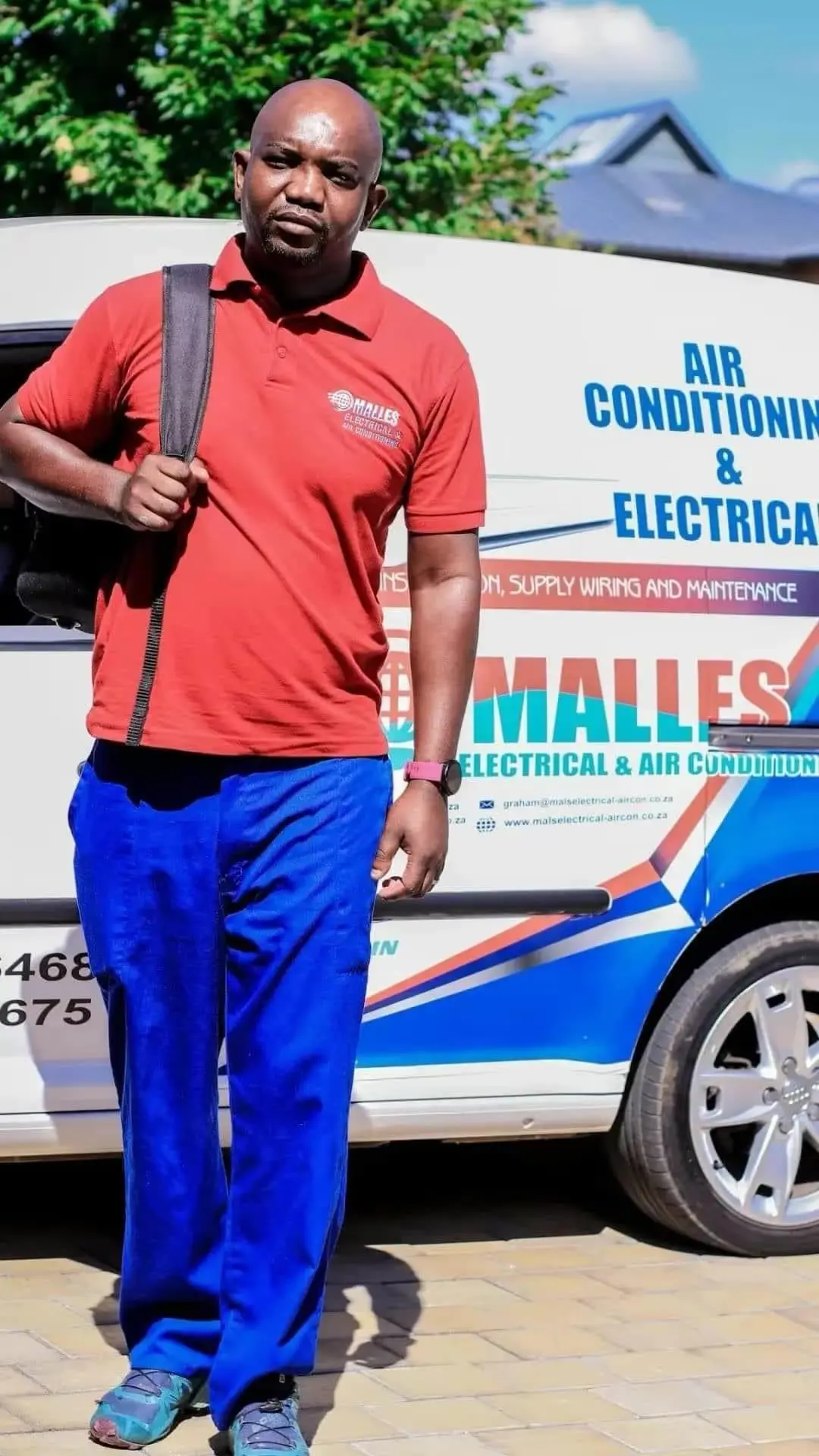
Malles Electrical & Air-Conditioning offers practical electrical support for homes and businesses. The team handles fault-finding, repairs and installation work across Midrand and Gauteng.
The team can help with:
- Plug, switch and light repairs
- Wiring repairs and replacements
- DB board repairs and upgrades
- Earth leakage and tripping faults
- Electrical work linked to COC requirements
The focus is on the repairs that may be needed before compliance can move ahead. If you also need air-conditioning services or solar and inverter support, the same team can assist.
You can read more about the team on the about us page, or get in touch through the contact page.
The team works with both residential and commercial customers, from a single plug repair to larger installation work. If an electrical fault needs urgent attention, you can reach out to discuss it.
Areas we serve across Midrand and Gauteng
Malles Electrical & Air-Conditioning works across Midrand and the wider Gauteng region. This includes Ebony Park, Tembisa, Ivory Park, Kyalami, Waterfall, Noordwyk, Carlswald, Vorna Valley and Halfway House.
The team also serves customers in Sandton, Fourways, Centurion, Johannesburg and Pretoria. Wherever you are in Gauteng, you can reach out for electrical support.
Book electrical COC support in Midrand
Planning a sale, renting out a property or simply want a safer installation? Sort the electrical side early and avoid last-minute stress.
Contact Malles Electrical & Air-Conditioning to discuss electrical work linked to COC requirements. Call +27 81 526 46 75 or email info@malselectrical-aircon.co.za to arrange a visit in Midrand or anywhere across Gauteng.
FAQs about electrical COC in Midrand
What is an electrical COC?
An electrical certificate of compliance is a legal document that confirms a property’s fixed electrical installation meets South African safety standards under SANS 10142-1. It is issued by a registered person after an inspection.
When do I need an electrical COC?
A valid COC is required before a property is sold or transferred. You may also need a new one after fresh electrical work or alterations to the installation.
Can faulty plugs affect compliance?
Yes. Cracked sockets, loose switches and exposed terminals are safety risks. They usually need to be repaired or replaced before compliance can move ahead.
Can DB board problems affect compliance?
Yes. Missing labels, loose connections and outdated boards are common findings. An old board often needs an upgrade to meet current standards.
Can power tripping affect electrical safety?
Constant tripping points to a fault, such as a faulty appliance, damaged wiring or an overloaded circuit. It should be checked by a qualified electrician.
Do landlords need electrical compliance support?
Landlords are responsible for the safety of the installations they rent out. Regular checks and prompt repairs help protect tenants and the property.
Which areas do you serve?
Malles Electrical & Air-Conditioning serves Midrand and the wider Gauteng region, including Ebony Park, Tembisa, Kyalami, Waterfall, Sandton, Centurion, Johannesburg and Pretoria.
How do I contact Malles Electrical & Air-Conditioning?
Call +27 81 526 46 75, email info@malselectrical-aircon.co.za, or use the contact page on the website to arrange a visit.